
What if the very easements and century-old systems that feel like hurdles are actually the keys to your estate's highest valuation? Selling a historic home in Middleburg VA is rarely just a transaction. It's an act of curated stewardship. You understand that your property is a piece of Virginia's soul. Yet, the reality of modern inspections and complex historic board approvals can feel overwhelming.
It is natural to feel the weight of preserving a legacy while seeking the highest possible return on a unique asset. We promise to show you how to turn these challenges into a compelling lifestyle narrative that captivates the equestrian luxury market. This guide explores how to leverage the 25% Virginia Historic Rehabilitation Tax Credit and navigate the 14 day Certificate of Appropriateness deadlines. You will learn to balance historical integrity with the high-end demands of today's buyers. We are here to ensure your estate remains a timeless investment and a seamless transition for the next generation of owners.
Key Takeaways
- Position your estate as a rare legacy asset by leveraging Middleburg’s unique 1787 heritage and the scarcity of authentic inventory.
- Navigate the complexities of historic preservation easements and deed restrictions to ensure a transparent, high-value transfer of stewardship.
- Discover how a pre-listing systems audit and discreet smart home integration remove buyer friction when selling a historic home in Middleburg VA.
- Captivate the global equestrian elite through chronological cinematography and strategic placement in international luxury portals.
- Bridge the gap between historical preservation and modern brokerage with bespoke seller representation tailored for unique, high-value estates.
The 2026 Middleburg Historic Market: Why Provenance is Your Greatest Asset
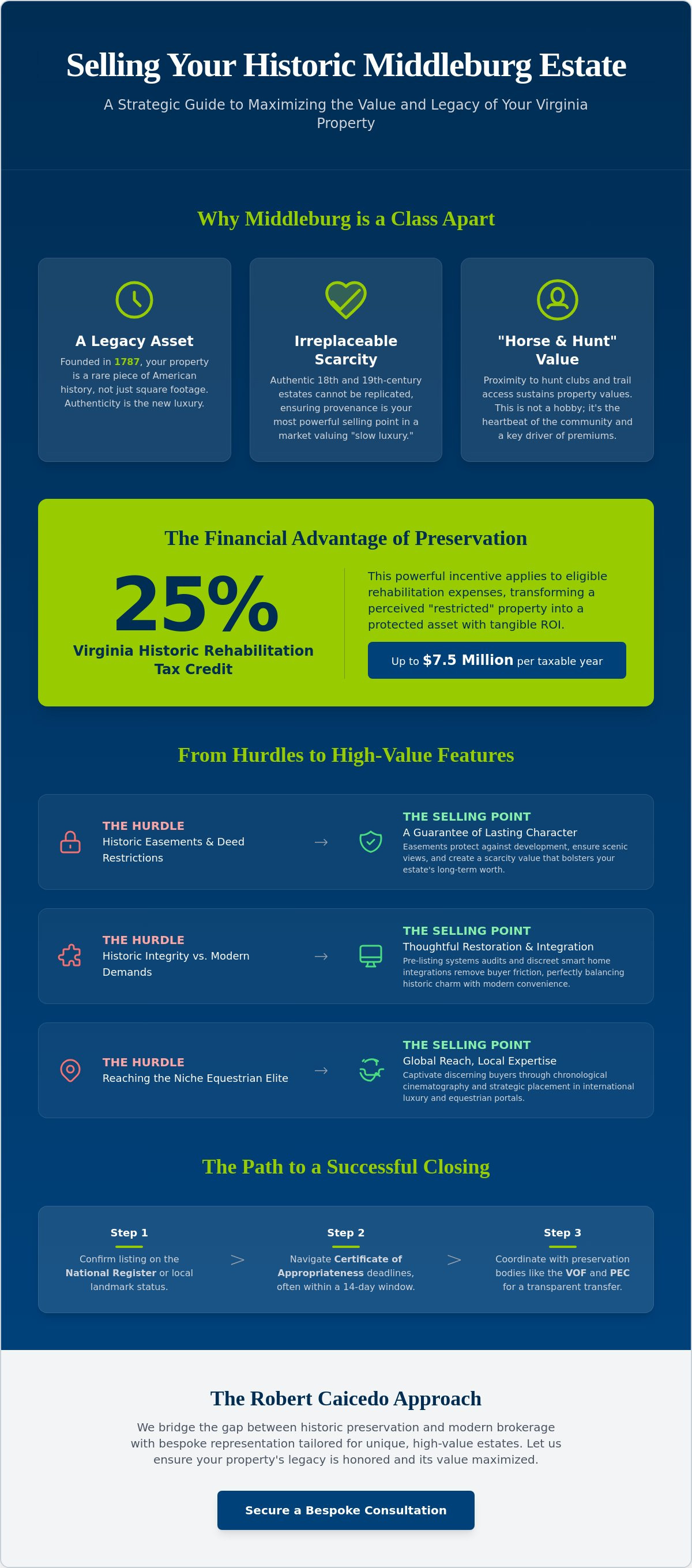
Middleburg isn't just a location; it's a legacy. Since its founding in 1787, this town has served as the anchor of the Virginia Piedmont. When you consider selling a historic home in Middleburg VA, you aren't just listing square footage. You're offering a rare piece of American history. The 2026 market shows a distinct shift toward "slow luxury." High-net-worth investors now prioritize architectural authenticity over modern excess. They want homes with souls, stories, and the enduring stability that Loudoun County real estate provides. Inventory remains scarce because authentic 18th and 19th-century estates cannot be replicated. This scarcity ensures that provenance remains your most powerful asset during a sale.
Buyers in 2026 are more discerning than ever. They look past the surface to find the "bones" of a property. A home's history acts as a seal of quality. It suggests a residence that has stood the test of time and will continue to do so. In an era of mass-produced housing, your historic estate represents a curated lifestyle that is increasingly hard to find. This emotional and historical weight is what drives the premium prices seen across the region's most prestigious micro-markets.
Defining the Middleburg Historic Aesthetic
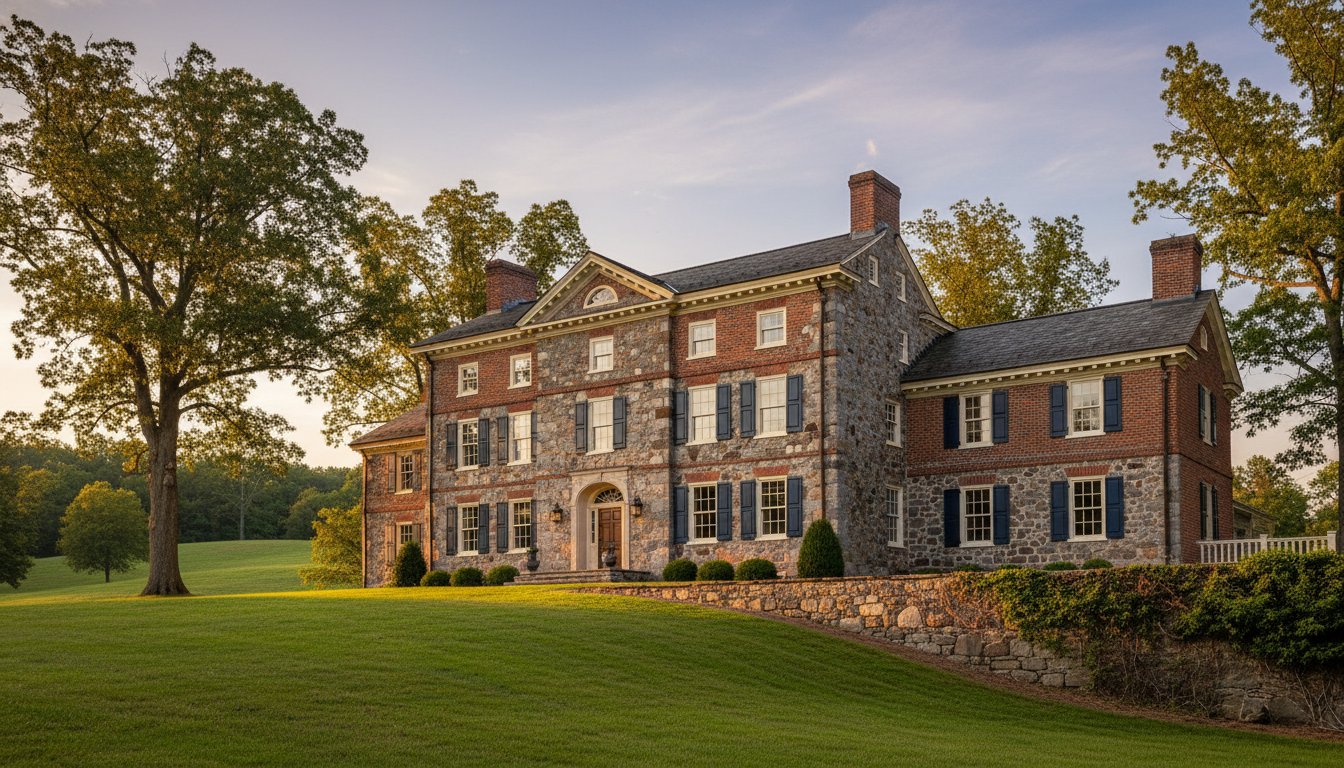
Walking through the Middleburg Historic District reveals a masterclass in preservation. You'll find the symmetrical elegance of Federal architecture, the grand columns of Greek Revival, and the sturdy charm of early Colonial styles. Architectural integrity drives valuation here. Buyers aren't looking for "renovated" in the traditional sense; they want "restored." They value original heart pine floors and hand-carved mantels. Owning these spaces provides an emotional resonance that a new build simply can't match. It's the feeling of being a temporary guardian of a timeless treasure.
The "Horse and Hunt" Influence on Value
Location in Middleburg is often measured by its proximity to the stables. The Middleburg Training Center and local hunt clubs aren't just hobbies; they're the heartbeat of the community. This deep-rooted equestrian culture sustains property values even when broader markets fluctuate. Estates with direct trail access or views of the rolling hunt country command a premium. For a deeper look at how this lifestyle shapes the region, explore our Middleburg community guide. When selling a historic home in Middleburg VA, highlighting these connections ensures you reach buyers who value the specific rhythm of life in the Nation's Horse and Hunt Capital.
Navigating Historic Preservation Easements and Legal Frameworks
When you're selling a historic home in Middleburg VA, the word "easement" shouldn't cause alarm. Think of it as a permanent insurance policy for your property's aesthetic integrity. A historic preservation easement is a voluntary legal agreement that protects the home's character and is recorded in the deed. Most often, these are held by organizations like the Virginia Outdoors Foundation (VOF). While some sellers fear these are restrictions, savvy buyers view them as protection. They ensure that the rolling hills and architectural charm you love won't be replaced by modern developments. This protection creates a scarcity value that actually bolsters your estate's long-term worth.
Properties listed on the National Register of Historic Places or designated as local landmarks often come with significant perks. For instance, Virginia offers a state tax credit equal to 25% of eligible rehabilitation expenses for certified historic structures. As of 2026, this credit can reach up to $7.5 million per taxable year. Highlighting these financial incentives transforms a "restricted" property into a "protected" asset with tangible ROI. If you're curious about how your specific deed affects your market position, our team provides bespoke seller representation to help you navigate these nuances.
The Role of the Piedmont Environmental Council (PEC)
In Middleburg, land conservation and history are inseparable. The PEC plays a vital role in Loudoun County land use by advocating for sustainable growth and open-space preservation. For equestrian estates, an open-space easement ensures that grazing land and trails remain functional for generations. It prevents fragmentation, which is essential for maintaining the local "horse and hunt" lifestyle that buyers crave. The PEC acts as a steward for the region's natural beauty, ensuring the view from your porch remains as pristine as it was a century ago.
Working with the Middleburg Historic District Review Board
Any exterior changes visible from a public street require a Certificate of Appropriateness (COA). This includes everything from paint colors to new stables. To keep your sale on track, remember that a complete COA application must be submitted 14 days before the board's monthly meeting. We recommend providing buyers with a "compliance roadmap." This document outlines approved colors and past permits, which reduces closing anxiety. Selling a historic home in Middleburg VA becomes much smoother when you can hand a buyer a portfolio of documented permissions. This transparency eliminates guesswork and builds immediate trust.
Preparing Your Historic Estate for the Modern Connoisseur
Preparation is the bridge between a house that lingers on the market and one that inspires a legacy purchase. When you're selling a historic home in Middleburg VA, your role shifts from owner to curator. Today's luxury buyers seek the soul of an 18th-century manor but demand the effortless functionality of a 2026 smart home. Achieving this balance requires a proactive approach that addresses "old house" anxieties before they become deal-breakers. By focusing on stewardship rather than just cosmetic repairs, you position your estate as a reliable, high-performance asset.
Start with a comprehensive "historic systems" audit. Buyers in this price tier often worry about stone foundations, lath and plaster integrity, and antiquated electrical grids. Commissioning a specialized inspection allows you to present a clean bill of health or a clear plan for remediation. Pair this technical data with a "Provenance File." This curated collection of deed histories, vintage photographs, and hand-drawn maps transforms your property from a listing into a narrative. It proves the home has been loved and maintained for generations, which is the ultimate rebuttal to concerns about reliability.
Invisible Upgrades: Modern Comfort in a 19th-Century Shell
Modern luxury should be felt, not seen. Focus on high-efficiency HVAC solutions, such as high-velocity mini-duct systems, that provide climate control without scarring original crown molding. In stone-walled estates, professional mesh Wi-Fi networks are essential to ensure connectivity isn't sacrificed for character. Investing in sensitive kitchen and bath modernizations yields a high ROI because it removes the buyer's fear of a long, disruptive renovation. These upgrades allow a resident to move in and enjoy the "slow luxury" lifestyle immediately.
Staging the Middleburg Lifestyle
Ditch the cold minimalism found in urban condos. For a Middleburg estate, the aesthetic should be "curated heritage." Use professional lighting to wash over hand-hewn beams and original heart-pine floors, making these textures the stars of the room. Highlight the functional flow that equestrian buyers crave, specifically the "mudroom to stable" transition. When selling a historic home in Middleburg VA, your staging should suggest a life of muddy boots, fine wine, and crackling fires. Show the buyer how the home functions as a sanctuary for both their family and their horses. This intentionality creates an emotional anchor that makes the property feel like home from the first showing.
Strategic Marketing: Reaching the Equestrian and Global Elite
Marketing a legacy property requires more than a sign in the yard. When selling a historic home in Middleburg VA, you're competing for the attention of a global elite. These buyers aren't looking for a house; they're looking for a lifestyle and a history. High-definition cinematography serves as your primary tool. It tells the home's chronological story, moving from its 18th-century roots to its 2026 luxuries. This narrative marketing positions the next owner as the protagonist in a 200-year-old story. It transforms a deed into a heritage.
Reach is just as important as resonance. We target digital placement in specialized equestrian publications and international luxury portals. Many buyers for these estates come from outside Virginia. By leveraging international real estate services, we find offshore investors looking for the stability of the Piedmont. This global approach ensures your property isn't just seen by the neighbors, but by the right connoisseur in London or Dubai. Our goal is to create a sense of inevitability around the sale.
The Digital First Impression: 2026 Standards
Digital standards have evolved. 3D Matterport tours are essential for historic layouts. These homes often have unique, non-linear floor plans that photos alone can't explain. Drone footage captures the estate's relationship with the Blue Ridge Mountains and the surrounding hunt country, providing vital context. Social media campaigns then break these visuals into "storytelling" snippets. We highlight specific historical anecdotes, like a visit from a founding father or the origin of a hand-carved mantel, to build genuine engagement and curiosity.
Exclusive Events and Niche Networking
Virtual presence must be paired with exclusive physical access. We host "Twilight Previews" designed specifically for local equestrian influencers and specialized brokers. These aren't standard open houses; they are curated events that mirror the Middleburg lifestyle. Collaborating with local boutiques and galleries for cross-promotion ensures the property is part of the town's social fabric. We also secure features in high-end regional lifestyle magazines to maintain prestige. Ready to showcase your estate to the world? Explore our bespoke seller representation options today.
The Robert Caicedo Approach: Bespoke Representation for Legacy Sales
Selling a historic home in Middleburg VA requires more than just a real estate license. It demands a deep respect for the past and a sharp eye for future potential. Our firm bridges the gap between rigid historic preservation and the dynamic 2026 market. We don't just list properties; we curate legacies. By understanding the nuances of strategic buyer representation, we anticipate the questions and desires of the global elite before they even step onto your porch. This proactive insight allows us to position your sale with surgical precision, ensuring a frictionless transition of stewardship.
One-of-a-kind estates often face unique appraisal challenges. When there are no direct "comparables," traditional valuation methods fall short. We specialize in justifying the premium value of your home's provenance and architectural rarity. We present a compelling case to lenders and appraisers that reflects the true worth of a protected Virginia asset. Our commitment is to provide a sophisticated, effortless experience that honors the history you've preserved while maximizing your financial return.
Expert Consulting for Land and Heritage
Your property's value often extends beyond the main residence. By leveraging our land development expertise, we advise on the potential for sensitive outbuilding additions or stable expansions. This strategic foresight helps buyers see the full scope of the estate's future. We also tackle the "Appraisal Gap" head-on by providing detailed historical documentation and high-quality data to support non-traditional valuations. We invite you to a private consultation to discuss the specific legacy of your Middleburg estate and how we can elevate its presence in the market.
Your Next Chapter Starts Here
A well-executed historic sale is both an emotional triumph and a financial milestone. It's about finding a buyer who values the heart-pine floors as much as the modern smart home features. You've been a dedicated steward of Virginia history; now, let us handle the complexities of the transition. Our approach combines elegance with expert guidance to ensure your next chapter begins with ease. Reach out to the Robert Caicedo team today for a bespoke market valuation and discover how we can preserve your home’s legacy while capturing its peak value.
Securing the Future of Your Virginia Legacy
Your estate is more than a property; it's a vital chapter in Virginia's history that deserves a sophisticated transition. Success in 2026 relies on your ability to blend 18th-century charm with high-performance modern marketing. By prioritizing provenance and navigating complex legal frameworks with precision, you ensure your home's legacy remains intact while capturing its maximum market value. Selling a historic home in Middleburg VA requires a partner who understands that heritage and ROI are deeply linked.
Robert Caicedo provides the global reach and local roots necessary to connect your estate with the world's most discerning buyers. Affiliated with Spring Hill Real Estate, a firm established in 2005, we combine deep land development expertise with a specialized focus on historic assets. We manage every technical detail to ensure your experience is as frictionless as it is rewarding. Your next chapter is waiting to be written.
Schedule your private Middleburg estate consultation with Robert Caicedo to begin this curated journey. Let's ensure your property’s story continues with the elegance and excellence it deserves.
Frequently Asked Questions
Do historic preservation easements lower the resale value of a Middleburg home?
Historic preservation easements typically protect or even enhance property values by ensuring the surrounding landscape and architectural integrity remain unchanged. In Middleburg, these agreements signal a high standard of stewardship that appeals to luxury buyers looking for long-term stability. While they restrict certain developments, they create a protected asset status that prevents neighboring encroachment. This maintains the estate's prestige and scarcity in a competitive market.
What is the "National Register of Historic Places" and how does it affect my sale?
The National Register of Historic Places is the official federal list of districts and sites deemed worthy of preservation. Listing your property adds significant provenance and prestige to your marketing narrative. It also unlocks potential financial incentives, such as federal and state tax credits for certified rehabilitations. This designation helps distinguish your estate as a verified piece of history, attracting connoisseurs who value authentic architectural heritage.
How do I handle lead paint or asbestos disclosures in a historic Virginia home?
Federal law requires sellers to disclose known lead-based paint and provide buyers with an EPA-approved information pamphlet for homes built before 1978. For asbestos, Virginia law generally requires disclosing any known latent defects that aren't readily observable. Providing professional mitigation records or inspection reports early in the process builds trust. Transparency prevents last-minute surprises and ensures a smoother closing for both parties.
Can I sell my Middleburg historic home "As-Is" to an investor?
You can sell a historic property "As-Is," but this approach often attracts investors seeking a steep discount rather than legacy buyers. For those selling a historic home in Middleburg VA, a traditional sale usually yields a much higher ROI by highlighting the home's unique story. While an "As-Is" sale offers speed, it may sacrifice the premium price that a well-prepared, curated estate naturally commands in the luxury equestrian market.
What are the typical closing costs for a luxury estate in Loudoun County?
Closing costs for luxury estates in Loudoun County typically include the Virginia grantor’s tax, regional congestion relief fees, and professional commissions. You should also account for title insurance, deed preparation, and any prorated property taxes. Sellers often see total costs ranging between 6% and 8% of the sales price. It's best to consult with a professional representative to receive a detailed net sheet tailored to your specific transaction.
How long does it typically take to sell a historic property in Middleburg VA in 2026?
As of April 2026, the median days on market for Middleburg properties is approximately 105 days. This reflects a significant year-over-year increase, signaling a shift toward a buyer's market. Historic homes often require a longer timeline because the right buyer must be someone who appreciates specific architectural details and equestrian lifestyle needs. Patience and strategic positioning are essential for selling a historic home in Middleburg VA at its peak valuation.
Are there specific tax credits available to the buyer of my historic home?
Buyers can access a Virginia state tax credit equal to 25% of eligible rehabilitation expenses for certified historic structures. For income-producing properties, a 20% federal credit may also apply. These incentives are powerful selling points because they significantly offset the cost of modernizing antiquated systems. Highlighting these credits in your marketing materials makes the stewardship of a historic estate more financially attractive to prospective owners.
How do I find a contractor qualified to do pre-sale repairs on a 19th-century home?
Start by consulting the Middleburg Historic District Review Committee or local conservation groups for a list of vetted professionals. You need contractors who specialize in traditional materials like lime mortar, stone masonry, and lath and plaster. Working with specialists ensures that repairs meet historic board standards and preserve the home's architectural integrity. This expertise prevents costly mistakes that could devalue the property during a pre-sale inspection.


