
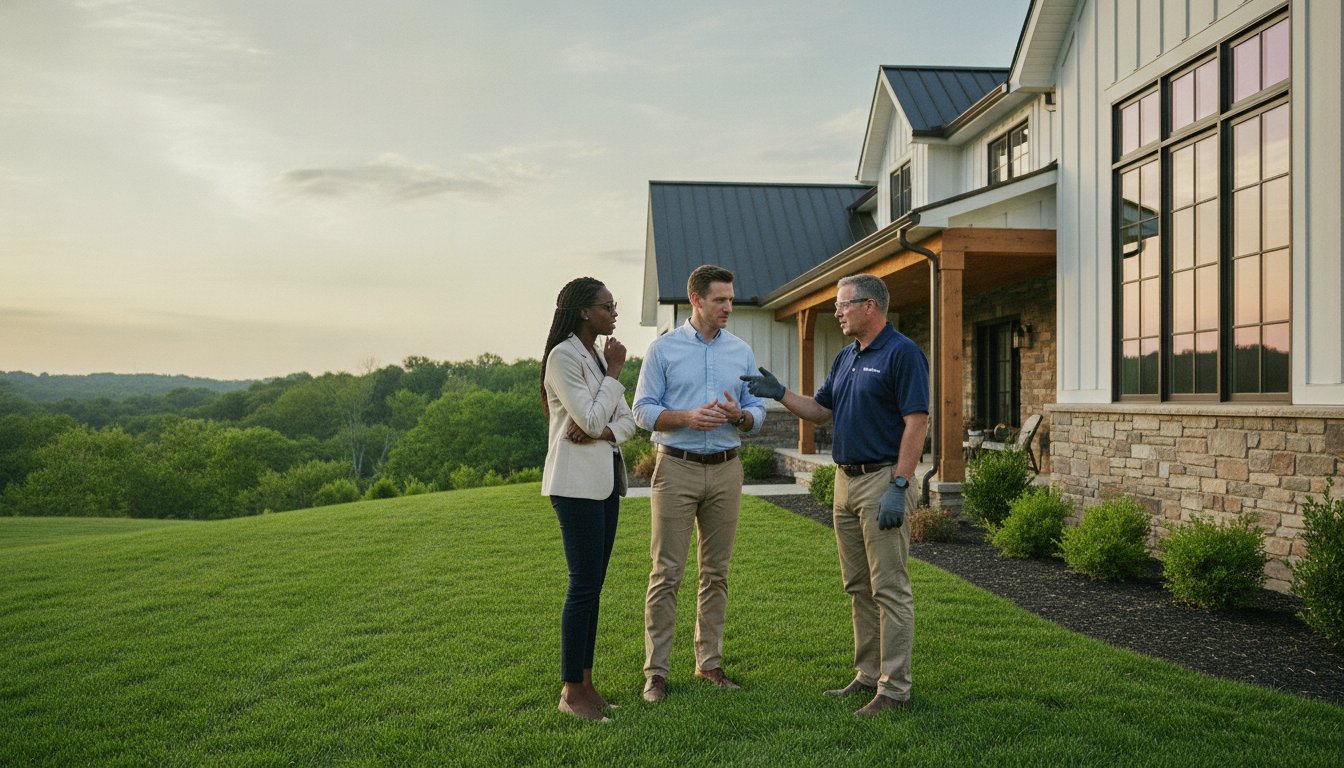
What if your home inspection was less about a technical punch list and more about a blueprint for your future lifestyle? In the high-energy Northern Virginia market, it's natural to feel a sense of urgency. You want a home that reflects your success, not a property that hides expensive secrets. Mastering the specific questions to ask your home inspector in Virginia is the most effective way to replace that post-closing anxiety with a sense of curated ease. It's about ensuring your new residence is a genuine sanctuary rather than a source of unexpected costs.
We understand that you're looking for a frictionless path to homeownership where every detail is already considered. You deserve a clear, expert perspective on your property's health before you commit. This guide provides the exact framework you need to protect your investment and your peace of mind. We will walk through the critical 2026 regulatory updates, the value of the New Residential Structure specialty designation, and how to transform a technical report into a powerful tool for confident negotiation. Let's ensure your transition into a new home is as stylish and effortless as the life you plan to lead there.
Key Takeaways
- Learn how the right questions to ask your home inspector in Virginia transform a standard report into a personalized blueprint for your future comfort.
- Identify the specific vetting criteria to ensure your inspector possesses the deep local expertise required for Northern Virginia’s unique property landscape.
- Gain a clear understanding of the core system checks that protect your investment from unexpected post-closing costs and structural surprises.
- Discover how to use inspection insights as a strategic tool for negotiation, ensuring a frictionless path to a high-quality homeownership experience.
- Shift your focus from simple repairs to long-term maintenance strategies that preserve the energy and elegance of your new residence.
The Northern Virginia Home Inspection: Why Your Questions Matter
Think of your home inspection as a curated health check for your future sanctuary. It's more than a technical walkthrough; it's a lifestyle audit designed to ensure your daily experience is effortless and chic. In Virginia, our environment is beautiful but demanding. You'll face sweltering humidity in August and biting freezes in January. These shifts put immense pressure on a property’s exterior and climate control systems. This is exactly why your specific questions to ask your home inspector in Virginia carry so much weight. You aren't just buying a structure. You're investing in a backdrop for your life.
A safe, well-maintained home translates directly into emotional resonance. When you aren't worried about a leaking roof or an aging water heater, you have the mental space to enjoy your community. We view the inspection as a bridge between technical specifications and your individual well-being. It’s about intentionality—the same level of care reflected in the featured listings from MD | Prime Realty Co.. We want you to step into your new space with total clarity and excitement.
The High Stakes of the DMV Real Estate Market
Speed defines the real estate landscape in hubs like Ashburn and Reston. Properties often attract multiple offers within hours of hitting the market. In this high-energy environment, skipping an inspection might feel like a shortcut to success, but it’s a significant risk to your long-term peace. A detailed report acts as a strategic shield. It provides the necessary data to fuel your buyer representation and gives you leverage during intense negotiations. Knowledge is your greatest asset in the competitive DMV market.
What a Virginia Home Inspection Covers (and What it Doesn’t)
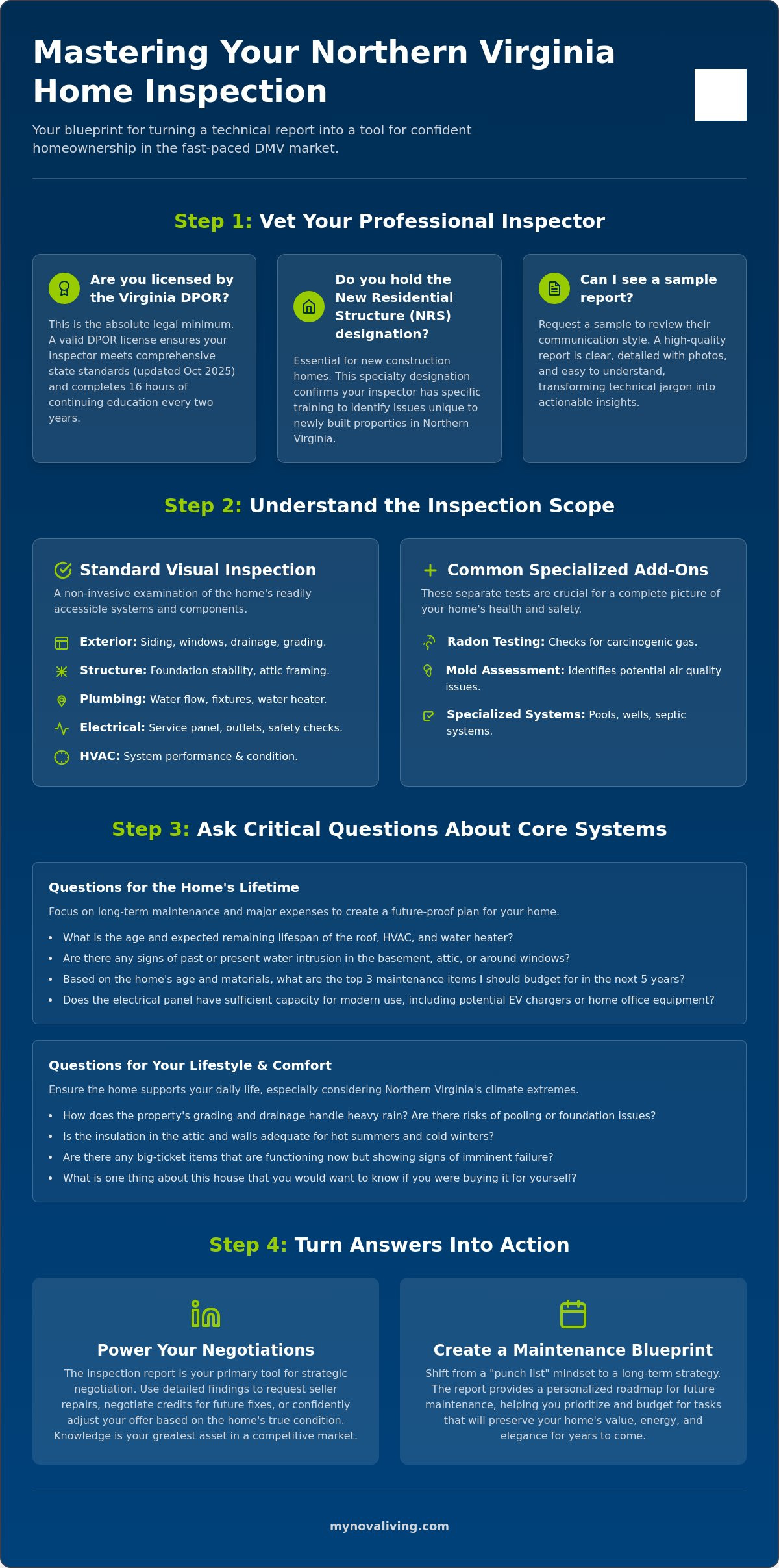
Gaining a clear perspective starts with understanding What is a Home Inspection? and how it functions in our state. By law, a standard Virginia inspection is a visual, non-invasive examination. The inspector won't tear through drywall or dig up pipes. Instead, they provide an informational overview of accessible systems. This isn't a pass or fail exam. It’s a snapshot of the property’s health at a specific moment. A typical review includes:
- Exterior: Siding, windows, and drainage patterns.
- Structure: Foundation stability and attic framing.
- Systems: HVAC performance, plumbing flow, and electrical safety.
Keep in mind that specialized tests for things like radon or mold are typically separate services. These add-ons are often essential for maintaining a healthy lifestyle environment. Your list of questions to ask your home inspector in Virginia should include which of these additional layers are right for your specific property. This ensures your move is as frictionless as possible.
Vetting Your Pro: Questions to Ask Before Hiring a Virginia Home Inspector
Finding the right inspector is the first step toward a frictionless homebuying journey. You aren't just looking for a technician with a clipboard. You need an attentive guide who understands that your home is a curated environment for your well-being. Vetting your professional ensures that the list of questions to ask your home inspector in Virginia leads to actionable, high-quality insights. This process transforms a stressful transaction into an exciting transition. It's about finding a partner who prioritizes your peace of mind as much as the technical details.
Are You Licensed by the Virginia DPOR?
The Virginia Department of Professional and Occupational Regulation (DPOR) sets the essential standard for our industry. A valid DPOR license is the absolute legal minimum for any inspector operating in the Commonwealth. With the updated regulations effective as of October 1, 2025, licensed professionals must now adhere to even more comprehensive standards. These updates ensure a higher level of consumer protection and professionalism across the state. Licensed inspectors must also complete 16 hours of continuing education every two years to keep their skills sharp.
If you are exploring new construction homes in Northern Virginia, verify that your inspector holds the New Residential Structure (NRS) specialty designation. This specific credential requires additional board-approved training. It guarantees they understand the nuances of modern building codes and the latest architectural innovations. Checking these credentials ensures the final report meets Virginia's official requirements for thoroughness and accuracy. This level of diligence is the foundation of a high-quality experience.
What is Your Experience with Homes in This Specific Zip Code?
Neighborhood expertise is non-negotiable in the DMV. An inspector who excels at evaluating historic Middleburg estates may not be the best fit for a sleek, contemporary condo in Reston. Ask about their specific history in your target zip code. Different eras of construction present unique challenges. You might encounter aging plumbing in established suburbs or complex, high-efficiency HVAC systems in urban high-rises. A local expert recognizes these patterns quickly.
Request a sample report to evaluate their communication style. You need a partner who provides clarity and intentionality, not just dense blocks of jargon. The report should be scannable and visually helpful. Finally, inquire about their insurance coverage. Virginia law requires home inspectors to maintain at least $250,000 in general liability insurance. This protection is a hallmark of a reliable professional. Selecting a seasoned expert ensures your path to a sophisticated Northern Virginia residence remains effortless and secure.
The Essential Checklist: Critical Questions About the Home’s Core Systems
Your home should be a place of effortless peace. Even if the aesthetic is perfect, the core systems must support your lifestyle. This is where your list of questions to ask your home inspector in Virginia becomes your most powerful tool. You're looking for intentionality in every corner of the structure. A house that looks flawless on the surface can hide technical challenges that disrupt your sense of ease. By focusing on the property's health, you ensure your transition into a new residence remains as stylish and secure as possible.
Structural Integrity and Virginia Foundation Issues
Even if a residence in Leesburg or Aldie looks impeccable, the ground beneath it tells a story. Northern Virginia is known for clay-heavy soil. This soil expands and contracts with the seasons, which can impact foundation stability over time. Ask your inspector: "Are these cracks typical settling for our local soil or a genuine structural threat?" You need to know if the home's bones are as strong as its design. Inquire about the property's grading and drainage patterns. Proper water diversion is essential for keeping basements dry during our heavy seasonal rains. Look for signs of past water intrusion in crawl spaces or finished lower levels. A dry, stable foundation is the first step toward a frictionless living experience.
Radon, HVAC, and Environmental Safety
Environmental safety directly affects your daily vitality. Northern Virginia is a high-radon area, making testing a non-negotiable step for your well-being. Ask your inspector about current radon levels and if a mitigation system is already in place. This isn't just a technicality; it's about protecting your sanctuary. Additionally, inquire about the age and efficiency of the HVAC system. You want to ensure year-round comfort during our freezing winters and humid summers. A high-performing system supports a lifestyle of fluid, modern ease. For more on professional standards, the Virginia Board for Asbestos, Lead, and Home Inspectors provides the regulatory framework that keeps these assessments rigorous and reliable. They ensure that your inspector follows the strict guidelines required to protect your investment.
Roof and Exterior Longevity
A home’s exterior is its first line of defense against the elements. Ask specifically: "How many years of life are realistically left in this roof?" You don't want the stress of a major replacement shortly after moving in. Check for proper attic ventilation to prevent moisture buildup and unnecessary energy loss. This keeps your sanctuary efficient and comfortable. Finally, evaluate the condition of the siding and windows. Thermal efficiency is key to maintaining a curated, high-quality atmosphere while managing your long-term costs. When every detail is considered, you can focus on enjoying the community and lifestyle you've worked so hard to achieve.
Maintaining that curated atmosphere often involves professional aesthetic updates. For homeowners seeking to enhance their property's value and protection, the high-quality residential services provided by Chaparro's Painting, LLC offer a standard of excellence for both interior and exterior painting projects.
Beyond the Report: Asking About Maintenance and Lifestyle Longevity
Your home inspection shouldn't end with a list of repairs. It's the beginning of your relationship with your new sanctuary. Think of your inspector as a lifestyle consultant who helps you visualize the daily fluidity of your new space. While the previous sections focused on identifying risks, this stage is about ensuring a frictionless existence. As you refine your list of questions to ask your home inspector in Virginia, shift your focus toward long-term ease of use. You want to understand how the property will support your well-being for years to come. This proactive approach transforms a technical document into a personalized owner’s manual.
How Do I Operate the Essential Systems?
A sophisticated home is only as good as your ability to manage it effortlessly. Ask your inspector to physically point out the main water shut-off valves and the electrical panels. Knowing these locations prevents a minor inconvenience from becoming a major stressor. If the property includes contemporary smart home features, inquire about their current integration status. Are the systems proprietary, or can you easily sync them with your preferred devices?
Luxury additions like outdoor kitchens or complex irrigation systems require specific care to maintain their energy and elegance. Ask about the seasonal maintenance required for these features. Understanding these details now ensures that your transition into the home is as stylish and organized as the residence itself. Clear communication at this stage sets the foundation for a curated, high-quality living experience.
What are the Immediate vs. Long-term Priorities?
Context is everything when reviewing an inspection report. Ask your inspector a direct, revealing question: "If this were your home, what is the first thing you would address?" This helps you distinguish between minor aesthetic updates and essential health and safety priorities. You want to focus your initial energy on the systems that ensure structural integrity and comfort.
Create a roadmap for future upgrades. Some improvements, like enhancing insulation or updating windows, significantly boost a home’s thermal efficiency and future resale value. By categorizing tasks into immediate needs and long-term goals, you maintain control over your investment. This strategic planning alleviates the typical stresses of homeownership, replacing them with a sense of excitement and agency. If you're looking for a partner to guide you through these complexities, our strategic buyer representation provides the attentive care you deserve to secure your perfect lifestyle environment.
Turning Answers into Action: Negotiating Your Way to a Perfect Home
You've gathered your data. You've asked the right questions to ask your home inspector in Virginia. Now, it's time to transform those answers into a strategic advantage. An inspection report is more than a list of flaws; it's a powerful tool for your buyer representation. We view every finding as a data point that helps us curate a better deal for you. No property is entirely perfect. However, understanding the nuance of each issue allows you to move toward closing with absolute confidence. This is where your vision for a frictionless lifestyle meets the reality of the negotiation table.
Understanding the Virginia Home Inspection Contingency
The Northern Virginia real estate market moves with incredible speed. Standard contracts in our region typically include specific, tight timelines for the inspection contingency. You must act decisively. In most cases, you'll choose between the "Right to Terminate" and the "Right to Negotiate Repairs." If the inspection reveals structural concerns or safety hazards, you have the agency to walk away or request corrections.
Prioritizing these requests is an art form, especially in a competitive seller's market. Focusing on high-impact items like foundation stability or moisture control keeps the deal moving forward without compromising your future comfort. We help you distinguish between a simple weekend project and a systemic failure. This clarity ensures you don't lose your dream home over minor aesthetic details while still protecting your long-term investment.
Partnering with Robert Caicedo for a Seamless Transition
At Robert Caicedo Real Estate, our sophisticated approach turns technical red flags into manageable action items. We don't just hand you a report and wish you luck. We act as your attentive guide. We interpret complex findings into their real-world lifestyle impacts. If an inspector identifies an aging HVAC system, we discuss how that affects your daily energy and future maintenance routine. We've already considered the details so you don't have to.
Our goal is to provide a curated experience that alleviates the typical stresses of the DMV market. We handle the heavy lifting of the home inspection contingency, allowing you to focus on the excitement of your new residence. We ensure that every repair request is backed by logic and aimed at preserving the quality of your sanctuary. Your journey to an effortless homeownership experience starts with the right partnership. Start your curated home search with Robert Caicedo today and discover a more refined path to your next Northern Virginia address.
Secure Your Future Sanctuary
Mastering the specific questions to ask your home inspector in Virginia transforms a technical necessity into a strategic advantage for your lifestyle. You now have the framework to vet professionals for deep local expertise and prioritize core system health over surface-level aesthetics. This clarity ensures your move into a Northern Virginia residence is defined by ease and intentionality. Every data point from your report serves as a bridge to a more confident negotiation and a frictionless closing.
Robert Caicedo provides a sophisticated, attentive approach to every transaction. Affiliated with Spring Hill Real Estate since 2005, we specialize in Northern Virginia new construction and expert buyer representation. We turn complex inspection findings into a curated roadmap for your ultimate success. Experience a Curated Home Buying Journey with Robert Caicedo today. Your path to a high-quality homeownership experience should be as stylish and rewarding as the life you're building here. We're ready to guide you home.
Frequently Asked Questions
Do I need a home inspection for a new construction home in Virginia?
Yes, you definitely should. Even brand-new homes can have structural or system oversights that aren't immediately visible to the untrained eye. Ensure you hire a professional with the New Residential Structure (NRS) specialty designation. This guarantees they're trained in the most current building codes and modern architectural standards. It's a vital step to ensure your new sanctuary is truly flawless and ready for your arrival.
How much does a typical home inspection cost in Northern Virginia?
Inspection costs depend on the property's size, age, and location. In the Northern Virginia market, you can expect rates to range from $350 to $900 for larger or more complex properties. Specialized tests like radon or mold will naturally increase this amount. View this as an investment in your future ease. It provides the clarity needed to proceed with a sense of total security.
Can I attend the home inspection in Virginia?
You are absolutely encouraged to attend the walkthrough. Being present allows you to see the home's systems in action and gain a deeper understanding of its overall health. It’s the ideal moment to pose your specific questions to ask your home inspector in Virginia. Your inspector can point out essential maintenance items, ensuring your transition into the space is as frictionless and organized as possible.
What happens if the home inspector finds a major problem?
Discovering a major issue provides you with a strategic data point for your negotiation. It doesn't mean the deal is over. You can request specific repairs, ask for a closing credit, or exercise your right to terminate the contract if the findings are too severe. Having an attentive guide helps you interpret these technical findings and turn them into manageable action items for a successful closing.
Does a home inspector check for mold or termites in Virginia?
A standard Virginia home inspection is a visual, non-invasive overview. While an inspector might point out obvious signs of moisture or wood damage, specialized mold and termite inspections are usually separate add-on services. We highly recommend including these tests to ensure your lifestyle environment is completely protected. It’s a proactive way to maintain the energy and health of your new home from day one.
How long does a home inspection take for a standard Ashburn or Sterling home?
A comprehensive inspection for a standard residence in Ashburn or Sterling generally takes two to four hours. The duration varies based on the square footage and the complexity of the home’s systems. Older properties or those with high-end exterior features like irrigation may require additional time. This thorough approach ensures every detail is considered, respecting your time while delivering a high-quality, reliable assessment.
What should I bring to the home inspection?
Bring a notebook, your smartphone for taking photos, and a focused mindset. Most importantly, carry your curated list of questions to ask your home inspector in Virginia to ensure no detail is missed. This preparation allows you to document maintenance tips and visualize your life in the space. It transforms the inspection from a technical hurdle into a helpful, personalized orientation for your future home.
Is radon testing required by law in Virginia home sales?
Radon testing is not legally mandated for Virginia home sales, but it is highly recommended. Northern Virginia is recognized as a high-radon area, and testing is the only way to confirm your sanctuary's air quality is safe. Many buyers view this as a non-negotiable step for their long-term well-being. It’s a simple, effective way to ensure your new environment is as healthy as it is stylish.


