
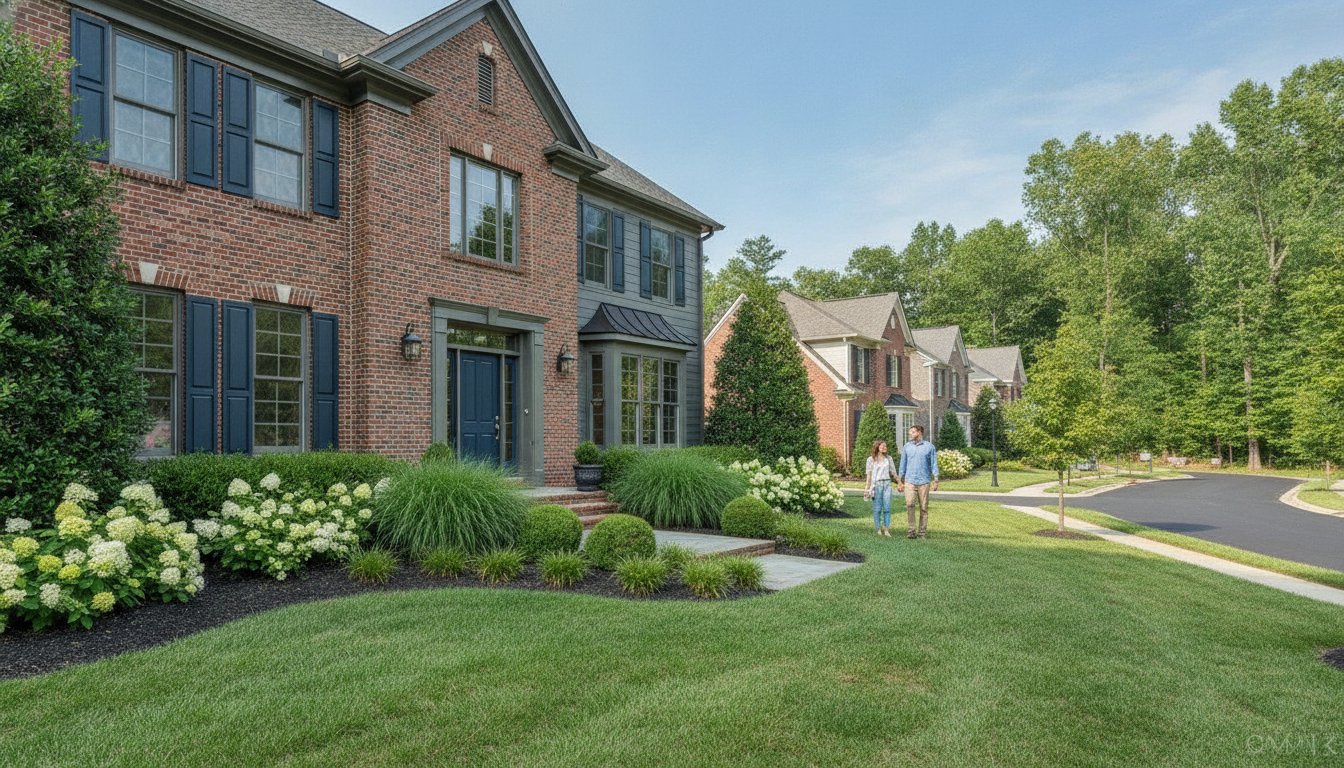
While the average Virginia homeowner pays $261 monthly, some Northern Virginia residents invest over $1,200 to curate their perfect lifestyle. It's easy to view these dues as just another bill. However, in our region's premier neighborhoods, your monthly assessment is actually a strategic investment in lifestyle insurance and long-term property value. Mastering the nuances of understanding HOA fees in Northern Virginia is the key to protecting your investment and securing a daily routine that matches your highest aspirations.
You likely value the pristine landscaping and resort-style pools that define these communities. Still, the fear of unpredictable fee hikes or restrictive covenants can feel overwhelming. It's confusing to navigate the gap between condo associations and HOAs while your monthly carrying costs shift. You deserve a home experience that feels curated and effortless, not one burdened by financial surprises or hidden regulations.
This guide provides the transparency you need to move forward with confidence. We'll break down the 2026 cost landscape, clarify your legal protections under the Virginia Property Owners' Association Act, and show you how to turn these costs into a frictionless community experience. Discover how to leverage your association for a more vibrant, high-end way of living that prioritizes your well-being.
Key Takeaways
- Master the nuances of understanding HOA fees in Northern Virginia to transform a monthly expense into a strategic investment for your property’s longevity.
- Distinguish between operating budgets and reserve funds to confirm your community is prepared for both daily maintenance and future enhancements.
- Contrast "walls-in" condo coverage with "lot-based" HOA responsibilities to select a home that perfectly matches your desired level of convenience.
- Utilize the Resale Disclosure Packet and your three-day right of rescission to verify the financial health of an association before finalizing your purchase.
- Recognize how high-end amenities and curated community standards serve as a tool for preserving your property’s value and your personal well-being.
Navigating the Landscape of Northern Virginia HOA Fees in 2026
Imagine your neighborhood as a curated lifestyle environment rather than just a collection of houses. In Northern Virginia, a homeowner's association acts as the silent architect of this experience. It ensures every detail, from the manicured streetscapes to the energy of local social hubs, remains impeccable. As you begin the journey of understanding HOA fees in Northern Virginia, you'll see these organizations are the primary facilitators of quality and community connection. They protect your investment by maintaining a standard that individual owners simply couldn't achieve alone.
These associations are nearly universal across the region's high-growth corridors. Whether you are looking at the vibrant pulse of Fairfax or the rolling hills of Loudoun, most modern residences belong to an association. This prevalence is backed by the Virginia Property Owners Association Act. This legal framework provides the essential structure for community governance, ensuring fairness and transparency for every resident. It's the backbone that allows these neighborhoods to thrive as self-sustaining ecosystems.
Why Northern Virginia Leads in Community Associations
Professionals in the DC metro area demand a frictionless existence. You likely want to spend your weekends enjoying local wineries or exploring the Potomac, not managing trash contracts or pool maintenance. Land developers have responded by creating expansive, master-planned environments that handle the logistics for you. This trend is especially visible in the surge of new homes in Aldie, VA; where luxury living is defined by integrated amenities and a deep sense of place. These communities are designed to be intentional, fluid, and full of energy.
The 2026 Cost Spectrum: What to Expect
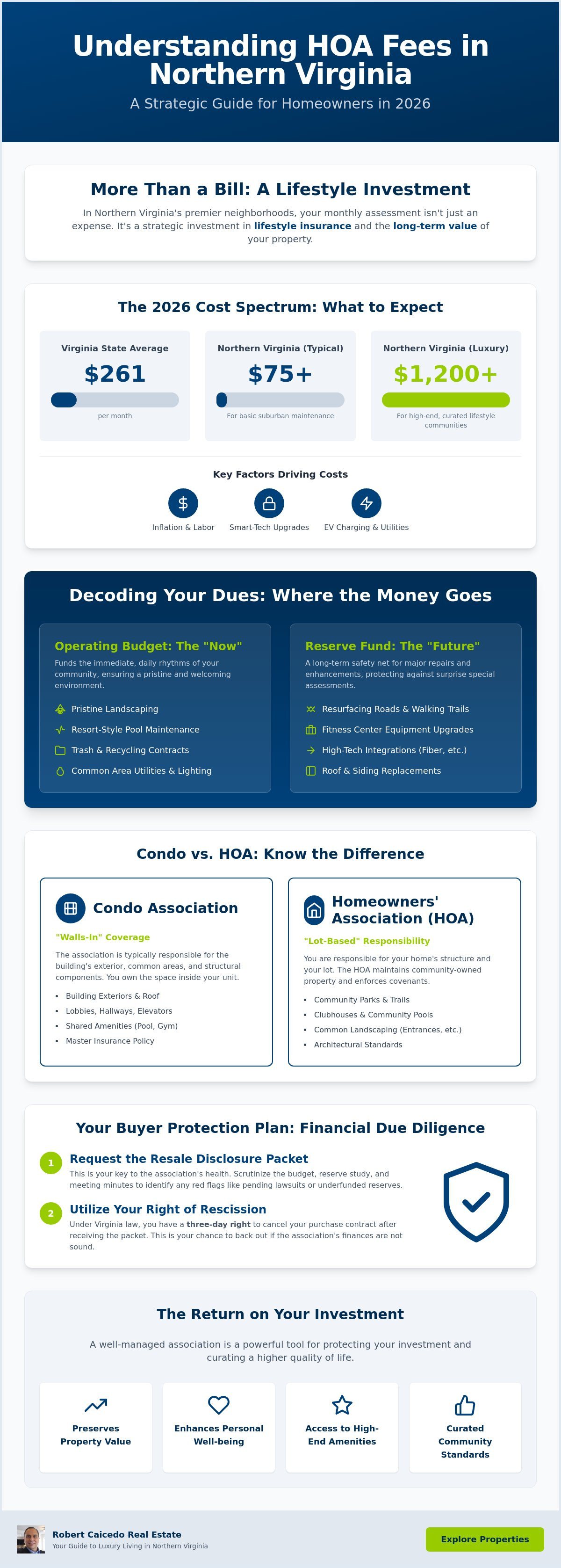
The financial landscape for 2026 reflects a wide variety of choices. Monthly dues typically range from $75 for basic suburban maintenance to over $1,200 for high-end luxury lifestyle communities. Understanding HOA fees in Northern Virginia requires looking at the specific factors driving these prices. Inflation and rising labor costs for skilled landscaping have an impact. Additionally, many communities are now integrating smart-tech upgrades and EV charging infrastructure into their budgets to stay relevant.
Regional utility shifts also play a role. For instance, the 2026 Dominion Energy rate increase adds approximately $11.24 to typical residential bills, a cost often reflected in the association's common area expenses. Depending on your community, you might see these costs structured as monthly, quarterly, or even annual payments. This flexibility allows you to align your home's carrying costs with your personal financial rhythm. It ensures your lifestyle remains as fluid as it is sophisticated, letting you focus on what truly matters: your well-being and social connection.
Decoding the Cost: What Your Monthly Dues Actually Fund
Your monthly statement is much more than a simple line item. It's the fuel for your community's engine. When you're deep into the process of understanding HOA fees in Northern Virginia, you'll find that these costs are split into two vital categories. The operating budget handles the immediate rhythms of your day. It keeps the shimmering pool water balanced, the evening streetlights bright, and the clubhouse energy flowing. It's the "now" that makes your environment feel alive and welcoming every time you pull into your driveway.
The second category is the reserve fund. This is your community’s long-term safety net. It's a pool of capital set aside for future enhancements and major repairs. When the walking trails need resurfacing or the fitness center requires a complete equipment refresh, the funds are already waiting. This proactive approach prevents the stress of sudden special assessments. It ensures your neighborhood maintains its sophisticated edge without financial surprises. In 2026, we see these funds increasingly allocated toward high-tech integration, such as maintaining community-wide EV charging networks and ultra-high-speed fiber optics. These aren't just perks; they're essential components of a contemporary, connected home.
Common Area Maintenance (CAM) and Amenities
Resort-style living requires meticulous, daily care. Your dues fund the social infrastructure that transforms a neighborhood into a genuine community. This includes:
- Aesthetic Harmony: Professional landscaping that creates a sense of seasonal beauty and calm.
- Wellness Spaces: Daily upkeep of fitness centers, yoga studios, and resort-style pools.
- Essential Logistics: Reliable trash services and the professional snow removal that's critical for Northern Virginia winters.
- Social Connection: Funding for community events and seasonal gatherings that foster genuine human interaction.
These services ensure your morning commute remains frictionless and your weekends stay focused on relaxation. If you're ready to find a neighborhood that prioritizes this level of ease, exploring premier Northern Virginia residences is your next step toward a curated life.
Professional Management and Asset Protection
Elite communities rarely rely on volunteers for complex logistics. They partner with professional management firms to navigate the intricate requirements of Virginia's Property Owners' Association Act. This ensures your neighborhood is managed with the precision of a high-end hotel. Professional oversight maintains strict architectural standards. These rules protect you from the "eye-sores" that can dampen property values in less organized areas. This commitment to aesthetic excellence and structural integrity directly correlates to the robust resale values seen across the DMV. It's a strategic layer of protection for your most significant investment.
Condo vs. HOA vs. New Construction: Understanding the Nuance
Your journey in understanding HOA fees in Northern Virginia requires a clear distinction between property types. While the terms are often used interchangeably, the financial and legal structures of a condominium association differ significantly from a traditional homeowners association. In a condo, your fee typically covers "walls-in" protection. The association takes responsibility for the building's exterior, the roof, and the structural insurance. This results in a higher monthly cost, yet it alleviates the individual burden of major exterior repairs. It's a trade-off that offers a truly effortless lifestyle for the busy professional.
Traditional HOAs are generally "lot-based." You own the physical structure and the land it sits on, while the association manages the shared environment. This includes the streetscapes, common green spaces, and community centers. Because the association isn't responsible for your roof or siding, the monthly dues are often lower than condo fees. However, you must budget separately for your home's exterior maintenance. For personalized guidance on these structures, Virginia's Common Interest Community Ombudsman serves as an excellent resource for clarifying your rights and the specific laws governing these diverse associations.
The New Construction Declarant Period
Buying into a developing community in areas like Ashburn introduces a unique dynamic known as the declarant period. During this phase, the developer maintains control of the association and often subsidizes the operating budget to keep fees attractive for initial buyers. It's a period of rapid growth and excitement. However, you should prepare for a potential shift once the developer hands over control to the residents. This transition can sometimes lead to "budget shock" if the initial fees weren't set at a sustainable long-term level. Exploring new construction homes in Northern Virginia allows you to see these modern living environments firsthand, but always ask for the projected post-transition budget.
Master Associations and Sub-Associations
Large, prestigious developments like Willowsford or Brambleton often utilize a layered fee structure. You might find yourself part of a Master Association that maintains the grand-scale amenities like regional parks or major clubhouses. Simultaneously, you may belong to a Sub-Association that focuses on the specific needs of your immediate cluster, such as townhome landscaping or private courtyard maintenance. This dual structure ensures that while you enjoy the benefits of a massive, amenity-rich environment, your immediate surroundings receive the intimate attention they deserve. Identifying these layers early ensures your monthly carrying costs remain predictable and transparent as you secure your place in these vibrant, community-centric neighborhoods.
Financial Due Diligence: Assessing an Association’s Health
The Resale Disclosure Packet is your most powerful tool in the DMV market. It's essentially the "holy grail" of information for any serious buyer. This document reveals the inner workings of the community, from meeting minutes to detailed balance sheets. Virginia law provides you with a crucial safety net: a three-day right of rescission after you receive this packet. This window allows you to walk away from a contract if the association's financial health doesn't meet your standards. It's a vital period for reflection and analysis, ensuring your investment remains secure from the first day.
Understanding HOA fees in Northern Virginia means looking far beyond the monthly price tag. While a low fee might seem like a win, it often serves as a red flag for poor management or deferred maintenance. An artificially low dues structure can indicate that the board is avoiding necessary repairs to keep residents happy in the short term. This lack of intentionality often leads to sudden, massive price hikes later. Partnering with a buyer representation specialist is the best way to interpret these complex documents. They bring the clarity needed to spot these patterns before you're legally committed.
The Essential Reserve Study Review
Virginia requires associations to update their reserve study every five years. This technical document forecasts the remaining life of common assets like roofs, elevators, and pavement. You want to check the "percent funded" ratio; a community that's 70% funded or higher is generally considered healthy and stable. If this number is low, you might face a special assessment in the near future. A special assessment is a one-time fee levied on homeowners to cover major capital repairs or unexpected expenses that the regular budget cannot handle. Checking these figures ensures your monthly carrying costs remain predictable and your lifestyle stays frictionless.
Red Flags in the Financial Statements
Scrutinize the delinquency rates among current homeowners. If more than 5% of residents are behind on their dues, it puts the entire community's services at risk. You should also check for any pending litigation against the association, as legal battles can drain reserve funds and impact your ability to secure a mortgage. Finally, evaluate the capital improvement plan for the next three to five years. A community with a clear, energy-filled vision for its future is one that will continue to appreciate in value and provide a high-end experience. If you want to ensure your next home is backed by a rock-solid association, connect with our team for expert guidance on the local market.
Beyond the Bill: Why a Curated Community Protects Your Investment
Your monthly assessment is the price of peace. It's the architect of an effortless existence. In the high-energy environment of the DC metro area, your home should serve as a sanctuary, not a source of logistical stress. When you shift your perspective on understanding HOA fees in Northern Virginia, you begin to see them as a subscription to a curated life. These fees fund the intentionality that keeps your neighborhood vibrant, social, and visually stunning. They ensure that the sophisticated atmosphere you fell in love with on day one remains intact for decades to come.
Community-centric living provides a buffer against the frantic pace of urban life. It offers a sense of place where human interaction is encouraged through shared spaces and high-end amenities. By prioritizing your well-being, a well-managed association acts as a partner in maintaining the emotional resonance of your residence. It's about more than just structural maintenance; it's about preserving a standard of living that matches your highest aspirations.
The Resale Advantage of Managed Communities
The market data from the first half of 2026 is clear. Managed communities in Northern Virginia consistently outperform non-association homes in terms of long-term appreciation. Modern buyers are increasingly seeking "turn-key" lifestyles where the exterior environment is as polished as the interior design. This demand for frictionless living is particularly evident in luxury enclaves. Whether you're exploring the equestrian elegance found in Middleburg or the contemporary grand estates of Aldie, the presence of a strong association is a primary driver of value. It signals to future owners that the community is resilient, well-funded, and meticulously cared for.
Your Partner in Sophisticated Living
Navigating these complex financial and legal landscapes requires more than just a real estate agent. You need a guide who understands the underlying logic of land development and the nuances of investment property consulting. Robert Caicedo Real Estate brings this deep expertise to every interaction. We help you look past the aesthetic appeal to analyze the financial health of an association, ensuring your move is as strategic as it is exciting. We've already considered the details, from reserve fund ratios to long-term capital plans, so you don't have to.
Your next home should be a reflection of your success and a facilitator of your future. Don't leave the health of your investment to chance. Schedule a consultation with Robert Caicedo to find your perfectly managed home. Let us help you secure a residence that offers the quality, community, and ease you deserve in the vibrant Northern Virginia market.
Secure Your Future in a Curated Community
You now have the clarity to transform a monthly assessment into a strategic investment. By mastering the art of understanding HOA fees in Northern Virginia, you ensure your next residence remains a sanctuary of quality and long-term value. You've learned to decode the Resale Disclosure Packet and distinguish between "walls-in" condo coverage and lot-based HOA responsibilities. This knowledge replaces typical industry stress with a sense of genuine agency.
Your home should be a reflection of your aspirations. Don't navigate this sophisticated landscape alone. Robert Caicedo brings over 20 years of local market expertise and specialized insights into new construction and land development. Affiliated with Spring Hill Real Estate since 2005, our team provides the attentive guidance needed for a truly frictionless experience. We've already considered every detail to protect your well-being and your investment.
Explore Northern Virginia’s Most Prestigious Managed Communities with Robert Caicedo
Your journey toward an effortless, high-quality lifestyle starts with the right partner. We look forward to helping you find a space where you can truly thrive in a community that matches your vision.
Frequently Asked Questions
Are HOA fees included in my monthly mortgage payment?
HOA fees are almost never included in your monthly mortgage payment. While your lender typically escrows property taxes and homeowner's insurance, you are responsible for paying the association directly. You can usually set up these payments as a monthly, quarterly, or annual transfer. Confirming this early helps you maintain a frictionless financial rhythm and prevents accidental late fees that could disrupt your peace of mind.
What happens if I refuse to pay my HOA fees in Virginia?
Refusing to pay can lead to daily fines, loss of amenity access, and even legal action. Under Virginia law, an association can file a lien for unpaid assessments within 12 months of the first due date. They must provide ten days of written notice via certified mail before filing. This process ensures the community remains well-funded and vibrant, but it creates significant stress for homeowners who fall behind.
Can an HOA in Northern Virginia increase fees without a vote?
Most boards have the authority to increase fees annually without a community-wide vote to meet rising operational costs. Your governing documents typically grant the board the power to adjust the budget for labor, utilities, and insurance. Part of understanding HOA fees in Northern Virginia involves reviewing these documents to see if your specific association has a percentage cap on these increases. Staying informed allows you to predict your carrying costs with greater accuracy.
What is the difference between an HOA fee and a condo fee?
Condo fees generally cover the exterior structure and building insurance, while HOA fees focus on shared land and lifestyle amenities. Because a condo association takes responsibility for your roof, siding, and common hallways, the monthly cost is often higher. In a traditional HOA, you maintain your own physical structure while the association manages the streetscapes. This distinction is vital when calculating the total investment required for your desired lifestyle.
Does a higher HOA fee always mean a better community?
A higher fee reflects the specific level of service and amenities provided rather than a simple quality score. A premium fee might fund a full-time concierge, resort-style pools, and high-speed fiber internet. Conversely, a lower fee in a community with fewer amenities could still indicate excellent, efficient management. Focus on the value you receive and how well the association aligns with your personal aspirations for a curated life.
Are special assessments common in newer Northern Virginia developments?
Special assessments are less frequent in new developments but can occur if the initial developer-set budgets were too low. During the declarant period, developers sometimes subsidize costs to keep fees attractive for initial buyers. Once the residents take control, a one-time fee might be necessary to bridge gaps in the reserve fund. Reviewing the most recent reserve study is the best way to predict and avoid these unexpected capital expenses.
How much of my HOA fee goes into the reserve fund?
The portion allocated to reserves varies by community, but healthy associations prioritize long-term stability. You should check the "percent funded" ratio in your disclosure packet to see if the association is meeting its financial goals. Ideally, a significant percentage of your dues should go toward future enhancements and major repairs. This proactive approach protects your property value and ensures the community's high-end amenities remain in peak condition.
Is there a limit on how much an HOA can increase fees each year?
Virginia state law does not impose a specific cap on fee increases, leaving those limits to your community’s governing documents. Some associations include a bypass or limit that requires a majority vote from homeowners if an increase exceeds a certain percentage. Mastering the nuances of understanding HOA fees in Northern Virginia requires a close look at these bylaws during your three-day right of rescission period.


